Contemplations on Spirit
'In this blog I contemplate the means to understand one self and the motivation that moves us to unfold in heart and soul.'
Know Thyself: What the Stone-Born King Teaches Us About the Blind Spot
A Jungian perspective on a beautiful ancient Javanese tradition
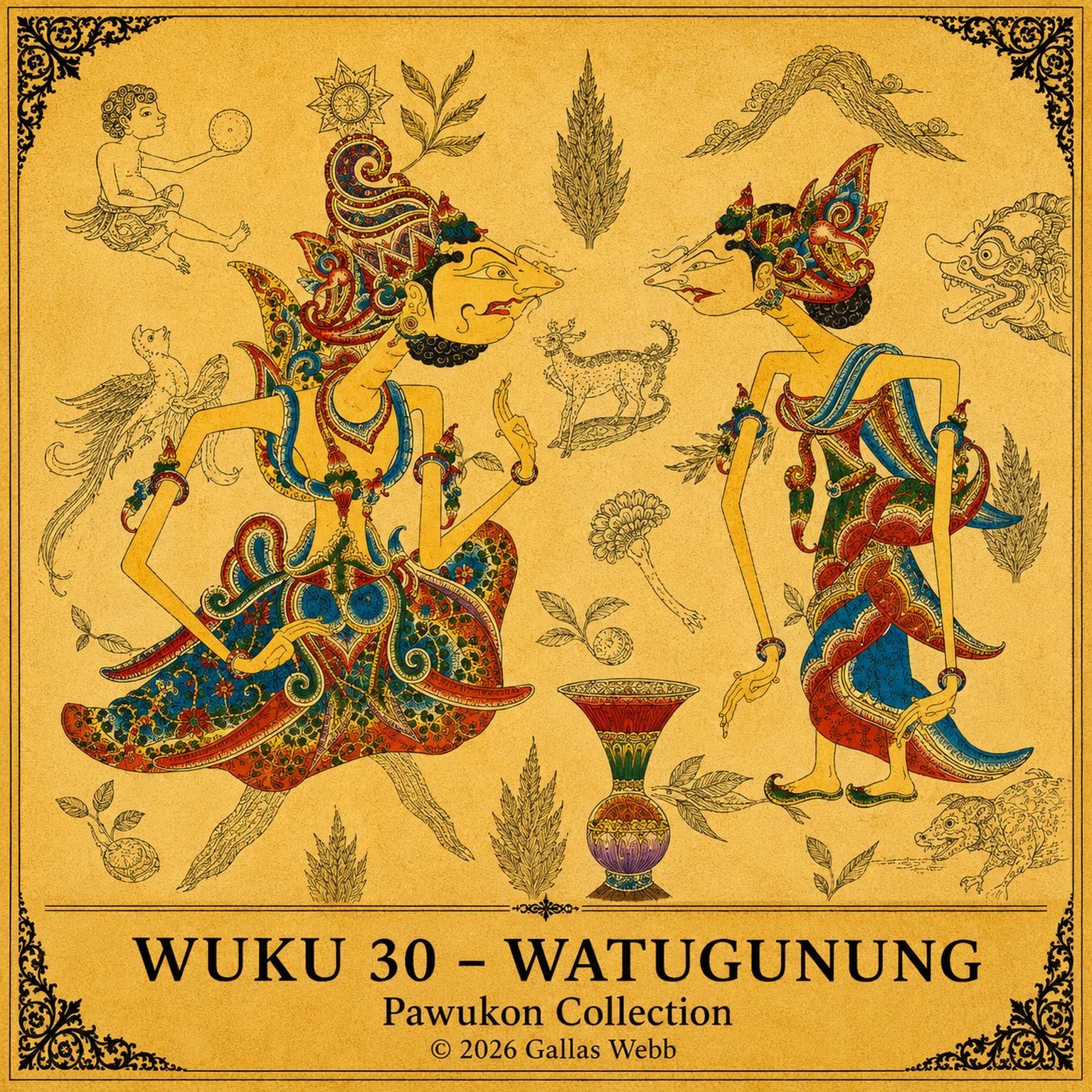
There is a stone on a mountainside where a woman once, alone and heavily pregnant, brought her child into the world. No palace, no midwife - only rock, breath, and the sound of a newborn crying out its first air. Javanese and Balinese tradition names this child Watugunung: "stone" and "mountain" fused into one. It is a beginning that already aches to be heard - and, as so often in mythology, it is precisely what goes unheard that shapes the rest of the story.
The story
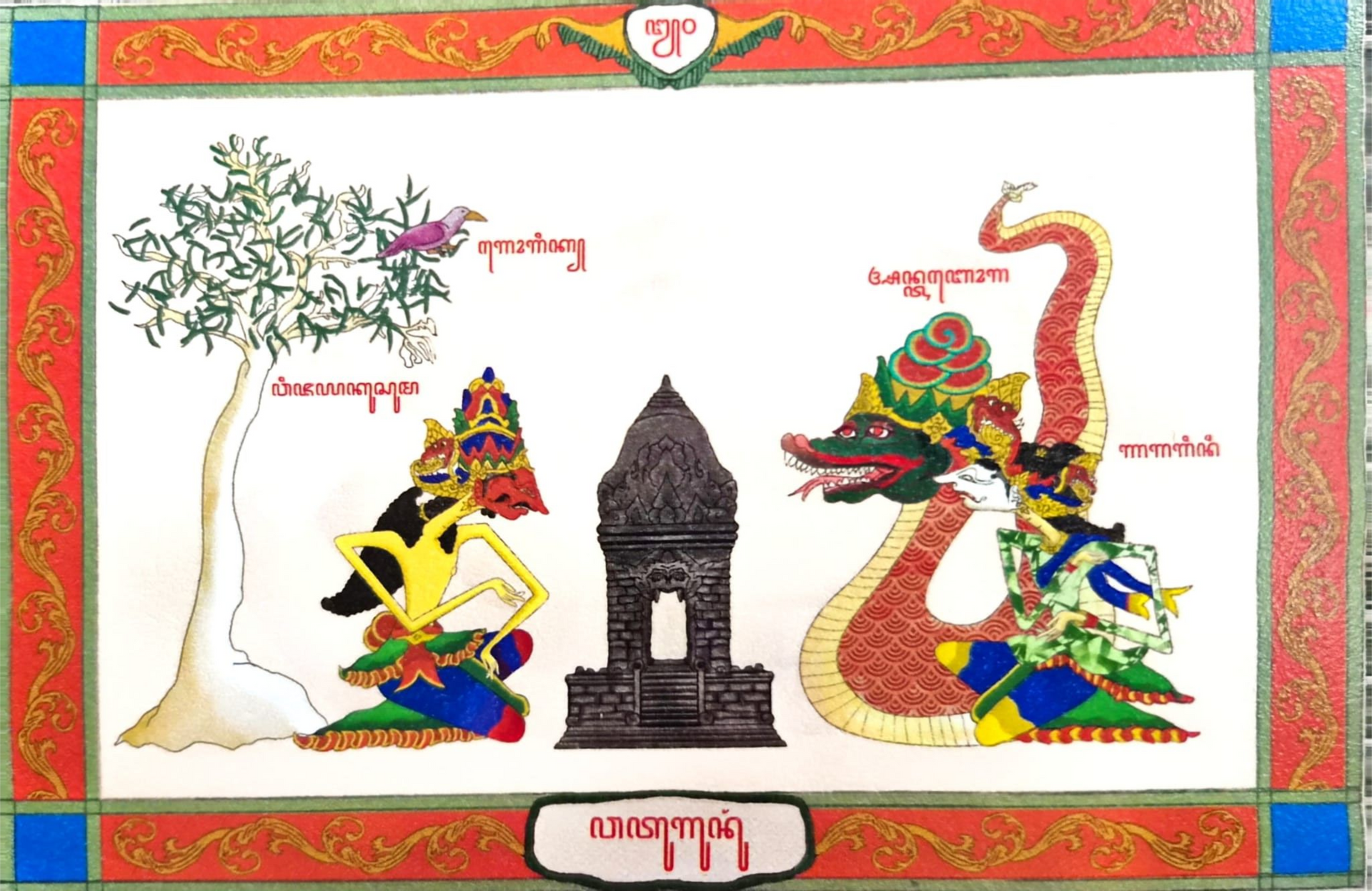
Prabu Kulagiri withdraws to meditate on Mount Mahameru, leaving his pregnant wife Dewi Sinta behind. On her way to join him, she gives birth on that very stone. The boy grows into a driven, insatiable force -so restless that one day he pushes his own mother into a rage. He is sent away, wanders the world, and becomes a powerful king. And then, without recognizing her, he takes his own mother as his wife. His downfall comes through Dewa Wisnu; his resurrection through the mercy of Dewa Siwa. Out of this cycle of death and rebirth, tradition holds, the thirty wuku of the Pawukon calendar arise - with Watugunung as the final week, and Sinta, his mother, once again as the first.
Surakarta, this past spring
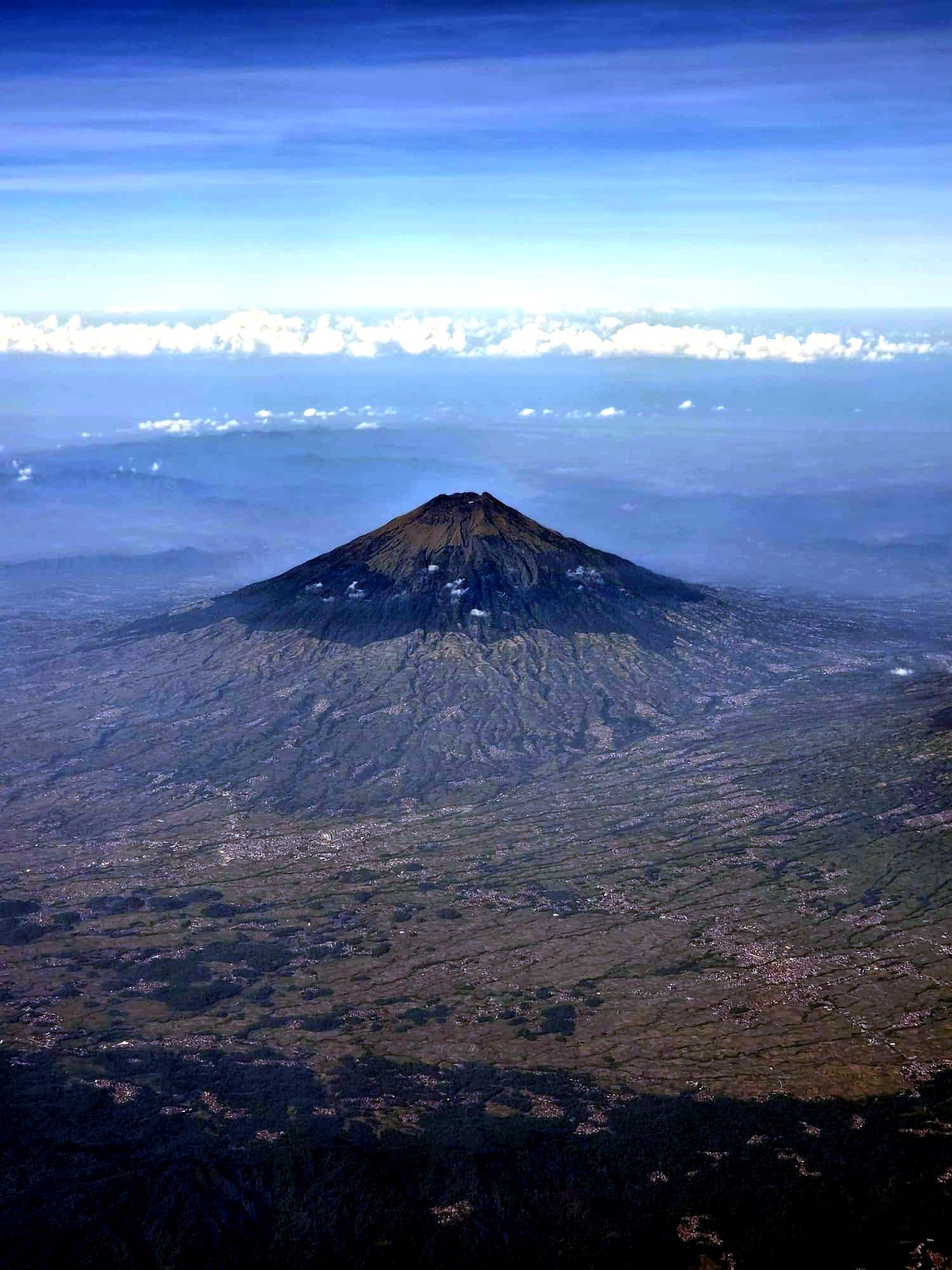
I first learned the primbon system in 2023, through David. The Pawukon cards we have since developed are an extension of that system - a way of making tangible something that had existed for centuries only in text and oral transmission. But it was only this past spring, standing face to face with the thirty wuku themselves at the Radya Pustaka Museum in Surakarta, that this rich visual language truly became physically visible. The story of Watugunung and his marriage to Sinta landed hard - not as an anecdote from a book, but as something that seemed to repeat itself in the space around us and through our life. Dave and I were each moved by it in our own way, and have been working with it ever since. What stayed with us was not so much the incest taboo itself, but the underlying principle: self-reflection, self-knowledge, and the conviction that we don't grow by figuring out who we are in the abstract, but by living - by truly inhabiting the quality of the moment.
Von Franz: the fairy tale as a smoothed stone
I can't help but look for coherence in the archetypes and symbolic work of C.G Jung. Marie-Louise von Franz - one of his close colleagues - wrote that tales, even more than myths, reveal the archetypal core of the psyche precisely because centuries of telling have worn them down to their essence - like river stones, stripped of everything that doesn't point to the core. She rarely read them as plot, always as a map of the individuation process: the hero who meets the shadow, who can no longer place the unconscious outside himself.
Could it be that, Watugunung's stone is, in that sense, a double metaphor? He is literally born of stone - and his entire tragedy is that he carries a blind spot every bit as hard and unyielding as rock. He is not weak. He is not malicious. He is strong, driven, successful - and utterly unaware of where he comes from.
The blind spot that lies closer than the sword
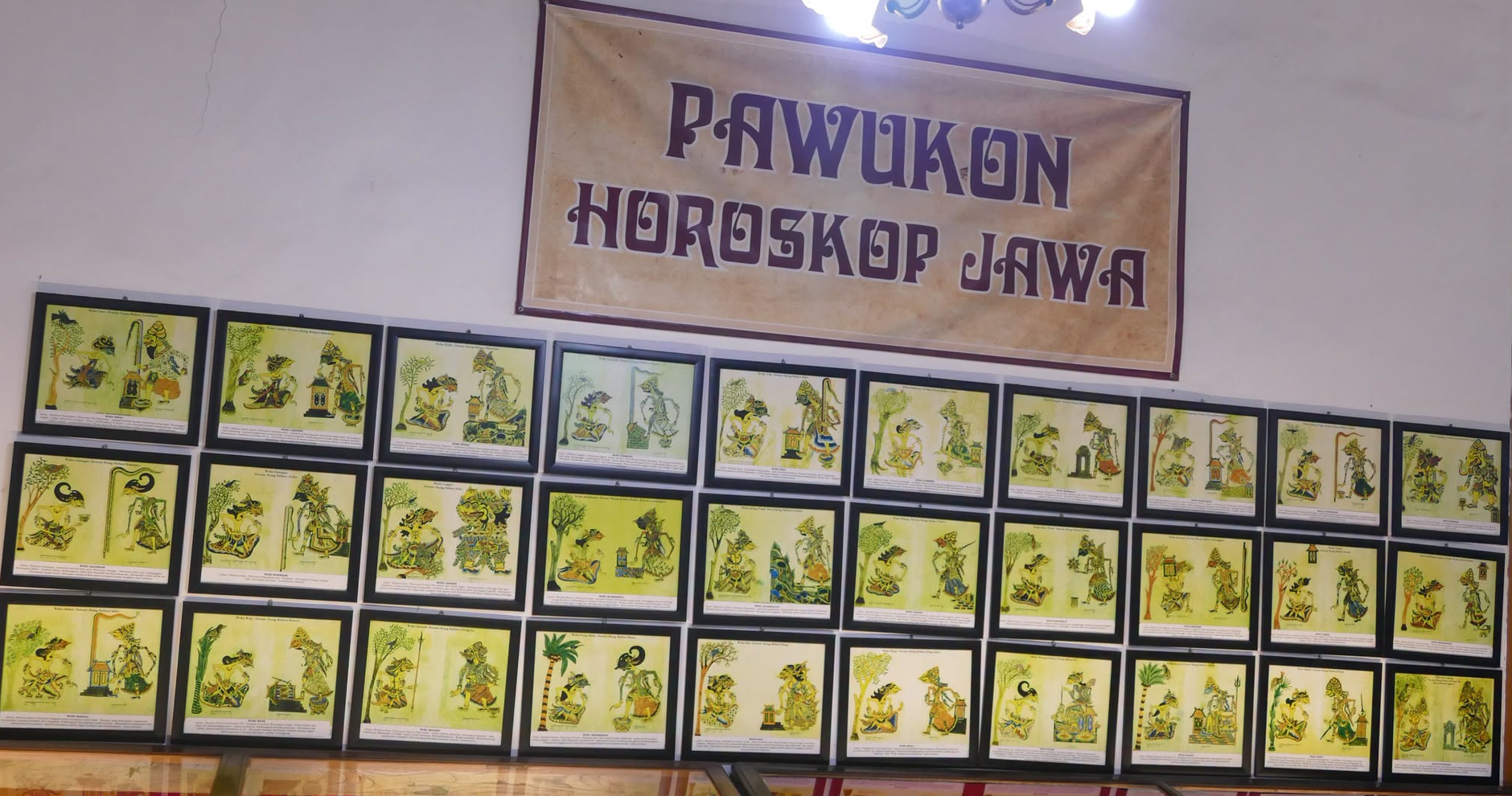
This is where "know thyself" - γνῶθι σεαυτόν, once carved above the temple at Delphi - takes on its full weight. The oracle did not warn against the enemy on the horizon, but against the danger too close to be recognized: one's own origin, one's own unconscious, one's own mother. Watugunung is not punished for intent. He is overtaken by what he never wanted to see.
In therapeutic language, we might say: the shadow we know least is rarely the stranger. It is the one standing too close to be seen clearly.
Shadow work: from confrontation to integration
Von Franz generally distinguished three stages in fairy tales of what Jung called shadow work. First, confrontation: the hero meets the witch, the monster, the dark king - the figure embodying everything the conscious self has split off. Then recognition: the realization that this figure is not a foreign enemy, but something that always belonged to the hero. Only then integration - not as approval, but as claiming ownership of what had been disowned. Watugunung fails precisely at the second step. He is an excellent fighter; he confronts everything standing in his way. But recognition never comes until it's too late. That's no coincidence: in myth, the shadow is strikingly often a family member - a parent, a sibling, a child - precisely because our earliest, closest bonds form before we have ego-boundaries to set ourselves against. What arises closest to us is hardest to see as "other." And it's worth staying sharp here: shadow work is not a matter of "embracing your dark side" as a moral free pass. Von Franz was strict on this point - integration first requires discernment, seeing clearly what exactly was split off and why, before any meaningful reunion can occur.
What the myth leaves us with
What is remarkable is that the Pawukon calendar does not tuck this story away as an embarrassing footnote, but makes it the foundation of time itself. Every wuku, every seven-day cycle, carries the memory of this ignorance - and of the resurrection that followed. Time itself, the myth suggests, is built from the repeated confrontation with what we did not know about ourselves - and the grace that comes after.
Perhaps that is the core that von Franz and Javanese tradition share, despite all cultural distance: the insight that growth never begins by defeating an enemy outside ourselves, but by recognizing what has long been sitting in our own house, at our own table.
Where in your life are you carrying a stone whose origin you haven't yet recognized?
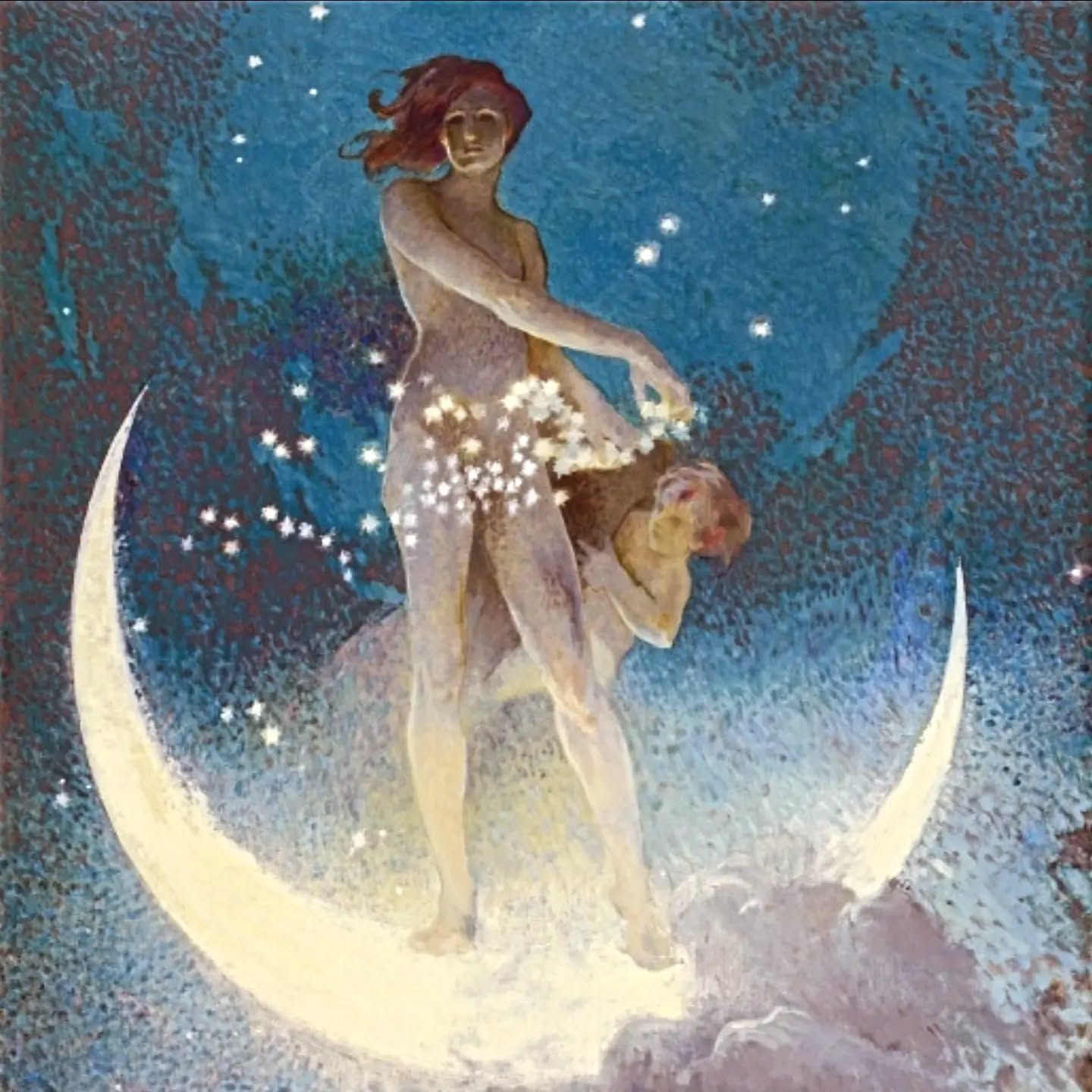
Each of the 30 Wuku cards depict their own archetype, one tying into the other - like a circular continuum. When calculating ones Weton we can determine the Wuku of your birth, this is described as your inborn Life theme. The cycles are a continuum, meaning you will have a certain relationship with the present Wuku at the time we meet i.e. an event. Finding harmony in this relationship is one way top work with the archetypes. For example, Wuku Watunug Gunung and Wuku Sinta have a certain dynamic together , just like any of the Wukus have differences and coherences. This can be a point of focus and / or meditation. We can, a side from this- work with the 30 Wuku cards as a form of Divination like the tarot, Numerology and Astrology. The Card Image at the top of the page depicts the version of Watung Gunung in the Deck David created. We are still writing volume 3 of the book together. You can order the cards and the book with us to start practicing with this amazing bundle of archetypes. Reach out to us for orders - info and readings!
Thanks for reading! More on this here
#Pawukon #Primbon #VonFranz #JungianPsychology #SelfKnowledge #JavaneseMythology #Individuation #KnowThyself #Kejawen #WatuGunung