Contemplations on Spirit
'In this blog I contemplate the means to understand one self and the motivation that moves us to unfold in heart and soul.'
from Storm to stillness
The nameless boy and the great mother
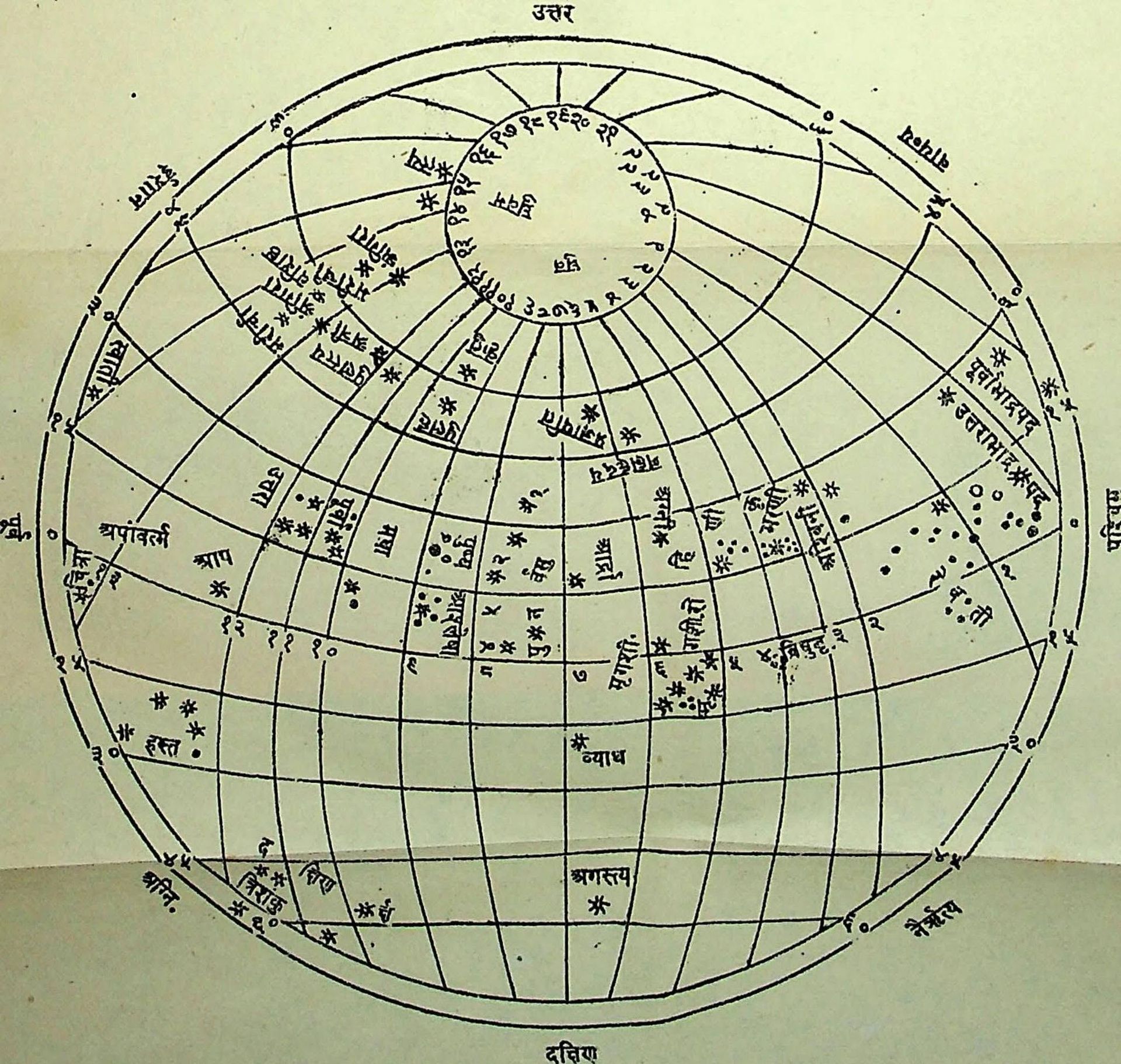
Nakshatras: The Star Map of the Gods
One of the most unique - and least understood - techniques within astrological study is the practice of studying deities through the fixed star groupings known in Jyotish as lunar mansions, or nakshatras. Where Western astrology works with twelve signs of 30 degrees each, the Vedic tradition divides the zodiac into 27 nakshatras of exactly 13°20' each - a division that is not arbitrary, but arises directly from the Moon's orbit, which traces the zodiac in roughly 27.3 days and so visits approximately one nakshatra per day.
Because 27 times 13°20' comes out to exactly 360 degrees, while the twelve signs each span 30 degrees, nakshatra boundaries rarely align with sign boundaries. The result: most nakshatras stretch across the final degrees of one sign and the opening degrees of the next. Ardra, for instance, begins in the middle of Gemini, while Punarvasu ends partly in Gemini and partly in Cancer. Each nakshatra is further divided into four padas of 3°20' - quarter-segments that each carry their own subtler quality, often tied to a navamsha sign.
Some older Vedic sources, such as the Taittiriya and Maitrayani Samhita, in fact recognised a system of 28 rather than 27 nakshatras, with Abhijit - associated with the star Vega, ruled by Brahma - as an extra, intercalary nakshatra inserted between Uttara Ashadha and Shravana. Around 1500 BCE it was dropped from the standard count, since 27 aligns more precisely with the 27.3 days the Moon needs to complete one orbit. Abhijit nonetheless survives in muhurta calculations, most notably in the Abhijit Muhurta, the auspicious midday window. I'll write a piece on this some day..
The Three Pivot Points (Gandanta)
Within this cycle exist three especially sensitive transitions, known as gandanta ("knot" or "entanglement") - points where the final padas of a water sign's last nakshatra meet the opening padas of the fire sign that follows. There are three such points altogether:
- Ashlesha - Magha (Cancer - Leo)
- Jyeshtha - Mula (Scorpio - Sagittarius)
- Revati - Ashwini (Pisces - Aries)
Anyone born - or experiencing a transit - at such a gandanta point stands literally on the edge between two elemental worlds, and often carries an intense, sometimes tearing quality of ending-and-beginning at once.
Ardra and Punarvasu do not fall on such a gandanta knot - their transition is one of air into water, Gemini into Cancer. But the underlying principle is the same: the nakshatra cycle is, throughout, an ongoing exercise in letting go and beginning again, and Ardra-Punarvasu may be the clearest example of that among the non-gandanta transitions.
From Storm to Stillness: Ardra and Punarvasu
There is a moment right after a summer storm that I always recognise - the air washed clean, the trees still dripping, and a stillness hanging that feels heavier than the thunder itself. This is how Ardra and Punarvasu relate to each other within the nakshatra cycle: one is the tear, the other the breath that follows.
Ardra: The Tear of Rudra
Ardra, the sixth nakshatra (6°40'-20°00' Gemini), falls under the rulership of Rahu and is guarded by Rudra - the weeping storm god, forerunner of Shiva. His name derives from the Sanskrit root rud, "to weep" or "to roar," referring both to reddish storm clouds and to the sound of thunder itself.
The mythological heart of Ardra lies in the story of Prajapati, the creator who pursued his own daughter and thereby violated cosmic order (rita). Out of the combined wrath of the gods, Rudra emerged and beheaded Prajapati - not out of arbitrary cruelty, but to restore balance. A similar pattern appears in the story of Daksha's yajna: when Sati immolates herself after her father humiliates her and Shiva, Shiva's grief turns to fury and gives rise to the terrifying Virabhadra, who destroys the sacrificial rite. In both stories, the destruction is functional - a storm that first devastates, then clears the air.
The Nameless Boy
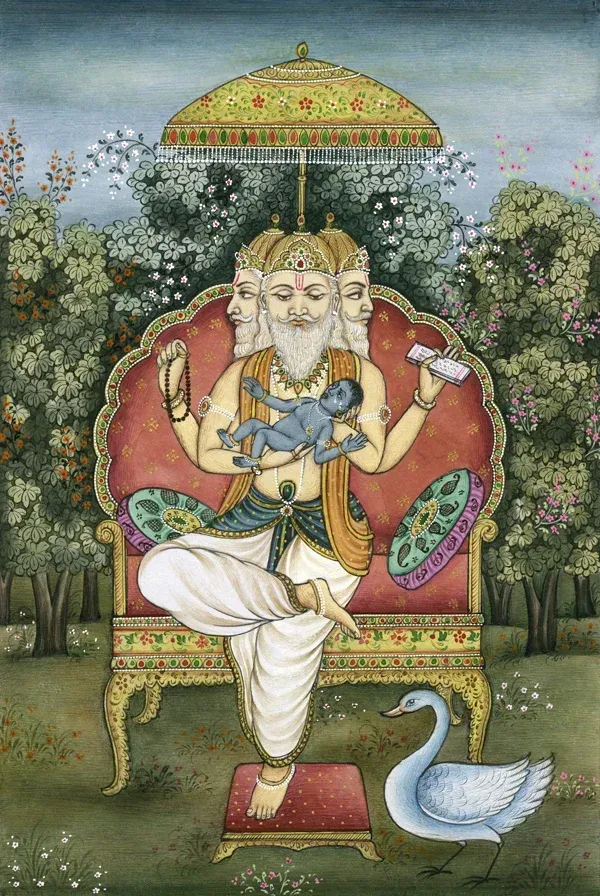
There is a third story, and perhaps the most moving one: that of Rudra's own birth. Brahma longed for a son who resembled himself, and after thousands of years of meditation, a boy suddenly appeared on his lap - blue-purple of skin, weeping intensely. Brahma asked, "Why do you weep, my son?" The boy answered only: "Give me a name."
Moved, Brahma named him Rudra - "he who weeps and weeps." But the boy kept weeping. Seven times more, and seven times more Brahma gave him a new name: Bhava, Sharva, Ishana, Pashupati, Bhima, Ugra, Mahadeva. To each of these eight names Brahma attached a dwelling place - the sun, water, earth, air, fire, ether, the officiating priest, the moon - and a consort. Only then did the boy ask, "Now you have given me so many names - what am I to do with them?" Brahma replied that each name embodied a divine quality he was to manifest on earth.
This story inverts the usual logic. There is no completed god who is afterward assigned a name - there is a nameless, weeping being who only acquires his identity through the weeping itself, again and again. The tear here is not the consequence of suffering, but the creative gesture. It is precisely the wound, the cry, the inability to stay silent, that brings forth Rudra's many faces.
Punarvasu: The Return of the Light
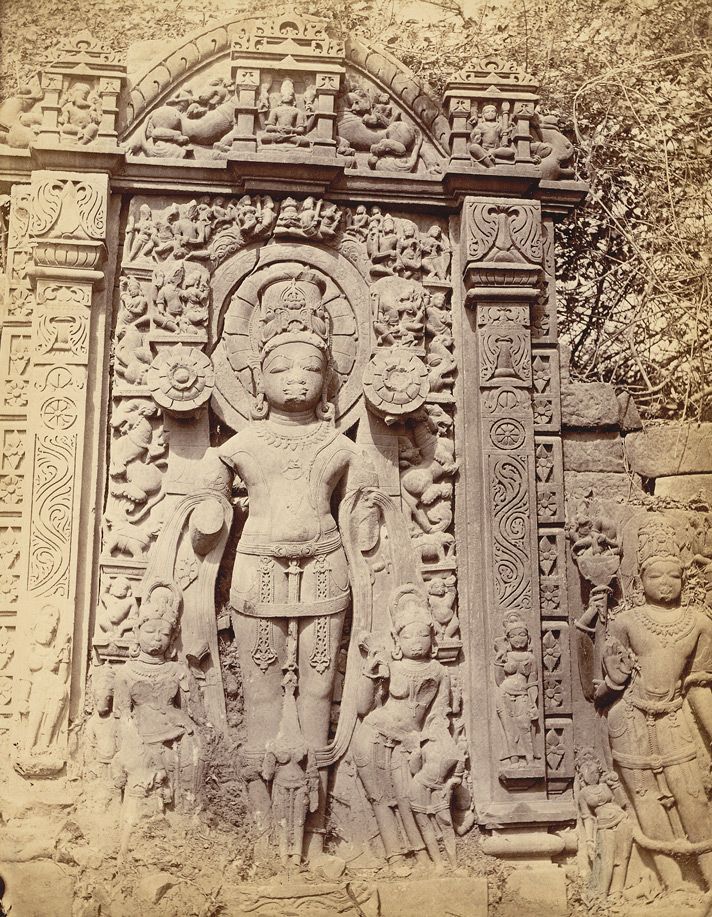
Where Ardra breaks, Punarvasu restores. The seventh nakshatra (20°00' Gemini - 3°20' Cancer) falls under Jupiter and is presided over by Aditi the Sun god who is at Dawn the Mother of all Gods, as Gods are worshipped at Sunrise.
The boundless mother of the twelve Adityas - among them Indra, Varuna, Mitra, and Agni. Her name carries no threat, only spaciousness: Aditi literally means "the unbounded." The RIGVEDA states;
“Mother of the gods, rival of Aditi, illuminator of the sacrificer, mighty Uṣās, shine forth; approving of our prayer, dawn upon us. Do you, who are cherished by all, make us eminent among the people.”
मा॒ता दे॒वाना॒मदि॑ते॒रनी॑कं य॒ज्ञस्य॑ के॒तुर्बृ॑ह॒ती वि भा॑हि । प्र॒श॒स्ति॒कृद्ब्रह्म॑णे नो॒ व्यु१॒॑च्छा नो॒ जने॑ जनय विश्ववारे ॥
माता देवानामदितेरनीकं यज्ञस्य केतुर्बृहती वि भाहि । प्रशस्तिकृद्ब्रह्मणे नो व्युच्छा नो जने जनय विश्ववारे ॥
mātā devānām aditer anīkaṃ yajñasya ketur bṛhatī vi bhāhi | praśastikṛd brahmaṇe no vy ucchā no jane janaya viśvavāre ||
The name Punarvasu itself is a promise: punah (return, repetition) plus vasu (ray of light, treasure) - the return of the light. Its symbol, the bow and quiver, speaks not of attack but of directed intention after the chaos: you only take aim once the storm has settled. Fittingly, Rama - the embodiment of dharma restored after exile - was born under this nakshatra.
"Punarvasu is the exhale after Ardra's thunder, the road home after a long exile."
The Interplay
Ardra calls for the breaking down of what has grown crooked - the tears, the crisis, the many names that only arise through weeping. Punarvasu is what comes after: not a new beginning out of nothing, but a return to what was always already good, purified by what had to be lost. Where Rudra destroys and, in weeping, claims his own identity, Aditi reminds us that nothing is ever truly lost.
Perhaps that is the essence of it: you cannot arrive at Punarvasu without first having passed through Ardra - and without first having wept your own name into being.
From around 4:30 pm onwards today, the Moon progressed in Punarvasu Nakshatra and will stay there until 2:44 pm Monday before shifting to Pushya - May your inner light shine and calm the breakthroughs that we receive. May the dawning of the light at the eastern horizon this Monday morning immerse you with insight and faith to gradually and steadily proceed forward..
Thanks for reading! xx Melanie 090626