Contemplations on Spirit
'In this blog I contemplate the means to understand one self and the motivation that moves us to unfold in heart and soul.'
Astrology of Devotion
From Ficino to Jyotiṣa, and back
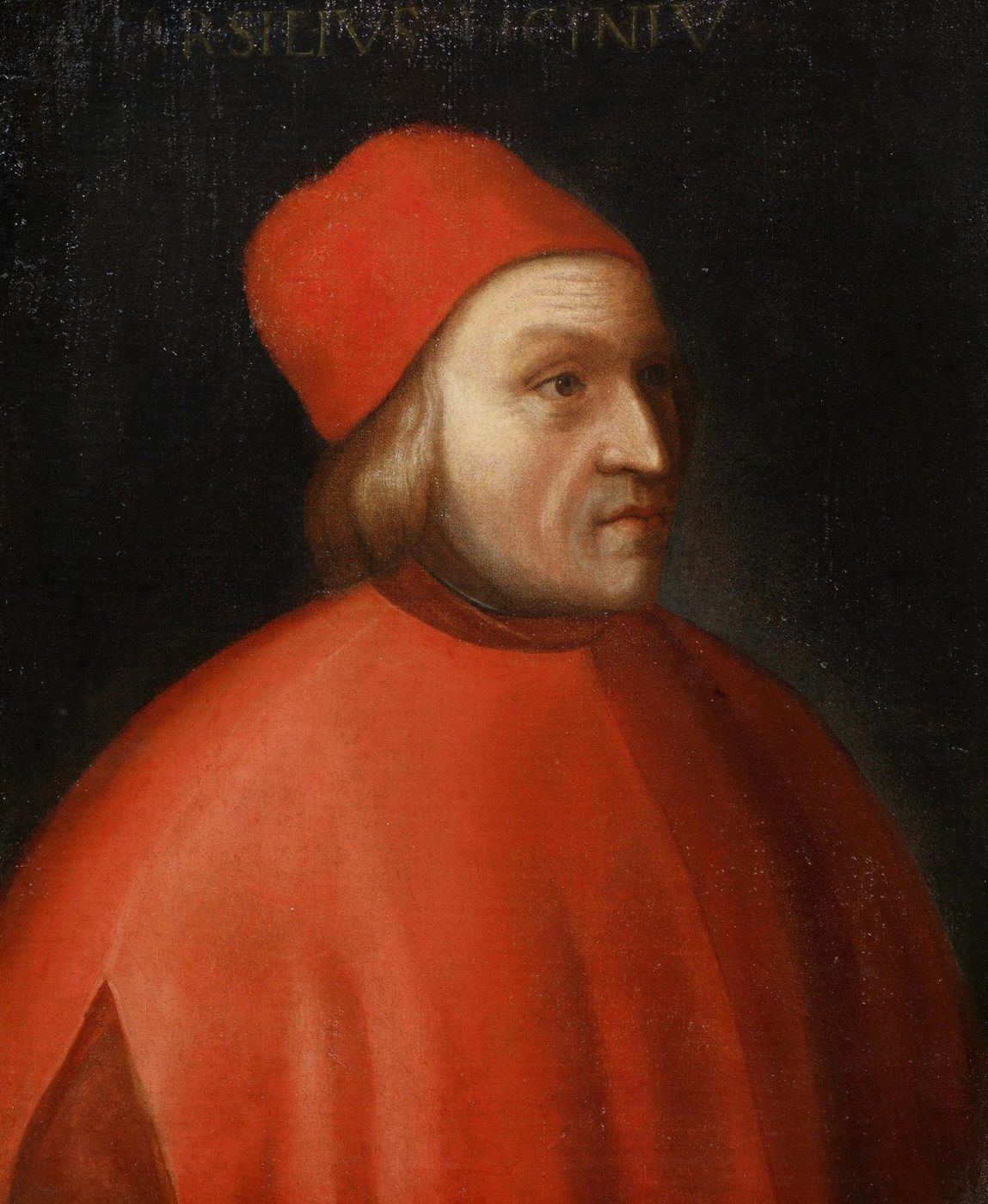
Last Wednesday, when I attended a lecture on Marsilio Ficino at the Embassy of the Free Mind, a suspicion I had carried with me for a long time finally found an answer. It was a longing, too.
During my studies in Amstelveen I was soon drawn to the therapeutic and harmonising qualities of astrology. I studied the work of Adrie van der Ven in depth and researched the astrological connections within natural medicine. After two years of intensive study, I understood that you don't build a practice overnight. So alongside my training I began sharing yoga. I took various courses and soon had a number of groups in different places around the city. It allowed me to continue my studies and support my family, and it was a beautiful way to invest my energy.
Of everything in yoga, the devotional side speaks to me most. While writing a paper on Svadharma, I discovered Sri Yukteswar's The Holy Science. That was my first encounter with Jyotiṣa. I enrolled at the Instituut voor Vedische Studies, where I still follow the lessons with great joy. A world opened up to me. The devotion of yoga, the ceremonies and celebrations, the Sacred days, the stories and the mantras: all of it is attuned to the cosmic connection, and Jyotiṣa gives it a beautiful structure. It filled a gap I had felt throughout my studies. And it gave me practical tools for living in harmony with the cosmos every day.
I knew that here in Europe, too, among European astrologers, a similar devotional tradition must once have existed. I also knew that over the centuries almost every trace of it had been erased. But what was it really like here? That question was largely answered when I came to know the work of Ficino.
Ficino: an astrologer who sang
Marsilio Ficino (1433-1499) was a priest, physician and philosopher in the Florence of the Medici. He translated Plato, Plotinus and the Corpus Hermeticum into Latin. In 1489 he published De vita libri tres, three books on life. The third book, De vita coelitus comparanda, describes how to receive life from the heavens. Ficino wrote it for scholars who, like himself, suffered under Saturn and melancholy.
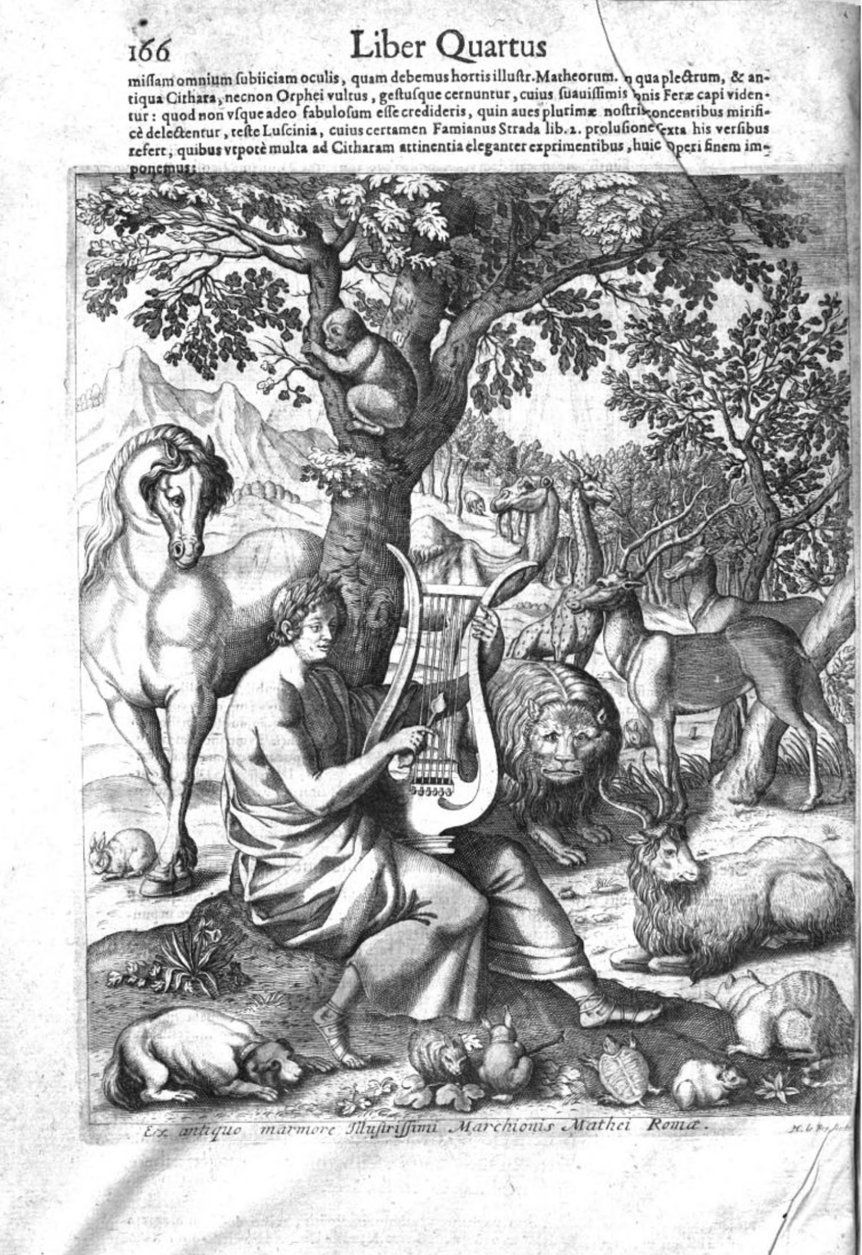
What he prescribes is not prediction. It is practice. He sang Orphic hymns on the lyre, attuned to the planet he wished to invoke. He recommended scents, colours, metals, herbs, sunlight and walks to draw in the Sun, Jupiter and Venus and to soften Saturn. With him, astrology became something you do: a daily attunement of soul and body to the cosmos.
This makes Ficino one of the first demonstrable sources in Europe for an actively practised, devotional astrology. It is an astrology you don't only read, but also sing, smell and wear. It is also exactly what I had found in Jyotiṣa: the mantra, the gemstone, the upāya, the remedy.
That he did not get away with it unpunished says a great deal. Ficino had to add an apology to his book, because in Rome his work was suspected of magic. A hundred years later, Pope Sixtus V condemned judicial astrology in a papal bull (1586). Then the great forgetting began.
Ficino in practice: six places where Florence and Ujjain meet
The day and the hour of the planet
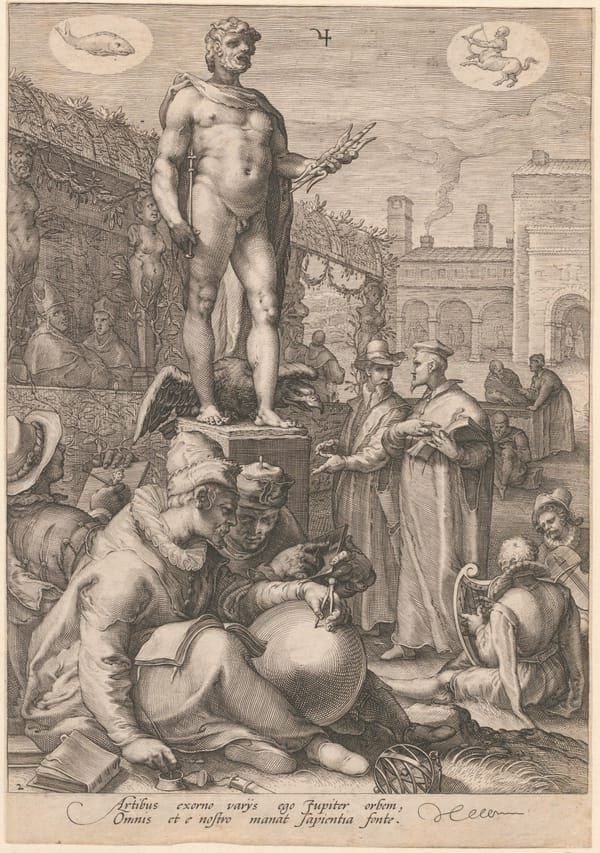
Ficino advises that, when you need the power of Jupiter, you should move your body "on the day and the hour and in the reign of Jupiter" (in die horaque et regno Iovis). This is exactly the vāra and the horā of Jyotiṣa: the planet ruling the weekday and the hour. The word horā is itself Greek. Here both branches of the river meet in a single word.
Gemstones and metals
"Among stones, the carbuncle, which shines in the dark, and the pantaura are especially subject to the Sun; the sapphire to Jupiter; the emerald to Venus." Gold belongs to the Sun and Jupiter, pure silver to the Moon. Compare this with the navaratna. The red carbuncle (ruby or garnet) for the Sun, and silver and pearl for the Moon, correspond. For the rest the systems diverge. In Jyotiṣa the emerald belongs to Mercury, not to Venus. Jupiter receives the yellow sapphire there, and the blue sapphire goes to Saturn.
Singing to the planets
Ficino assigns each planet its own kind of song. Saturn receives slow, heavy, plaintive voices; Jupiter grave, sweet and steadily joyful harmonies; Venus soft, voluptuous songs. If you sing in this way, the planets "will seem to answer at once, like an echo, or like a string on the cithara that trembles whenever another string tuned the same way is struck." This is what the mantra and the graha-stotra do: resonance.
And then something you would not expect. Ficino himself names India as an example: "For this reason many Orientals and Southerners, especially the Indians, are said to have an admirable power in their words, since they are for the most part solar." A few lines later he speaks of the power of prayer among "certain Indian priests". He knew of them only second-hand, from Philostratus' life of Apollonius of Tyana.
Nothing without the Moon
"The safest way will be to do nothing without the favour of the Moon." Ficino gives rules any muhūrta astrologer will recognise. Begin with a waxing Moon, preferably in her second quarter. The Moon should not be in the eighth house, not in the via combusta and not in the terms of Saturn. She should behold Jupiter or Venus by trine or sextile. If all this cannot be achieved, "wait at least until Jupiter or Venus is in the ascendant or the tenth house". There they are again: the kendras. A benefic in an angular house is a core rule of muhūrta.
The images of the decans
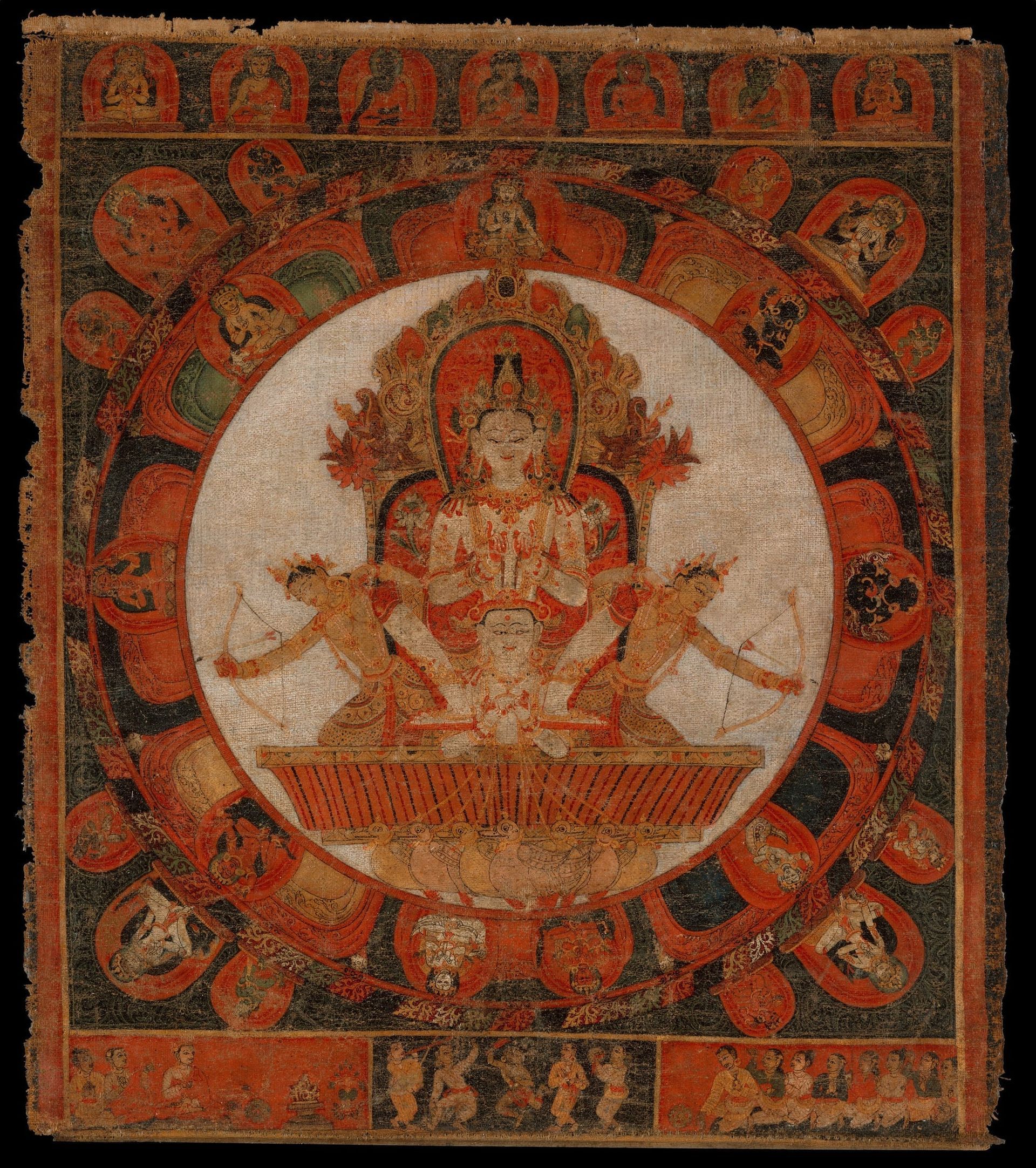
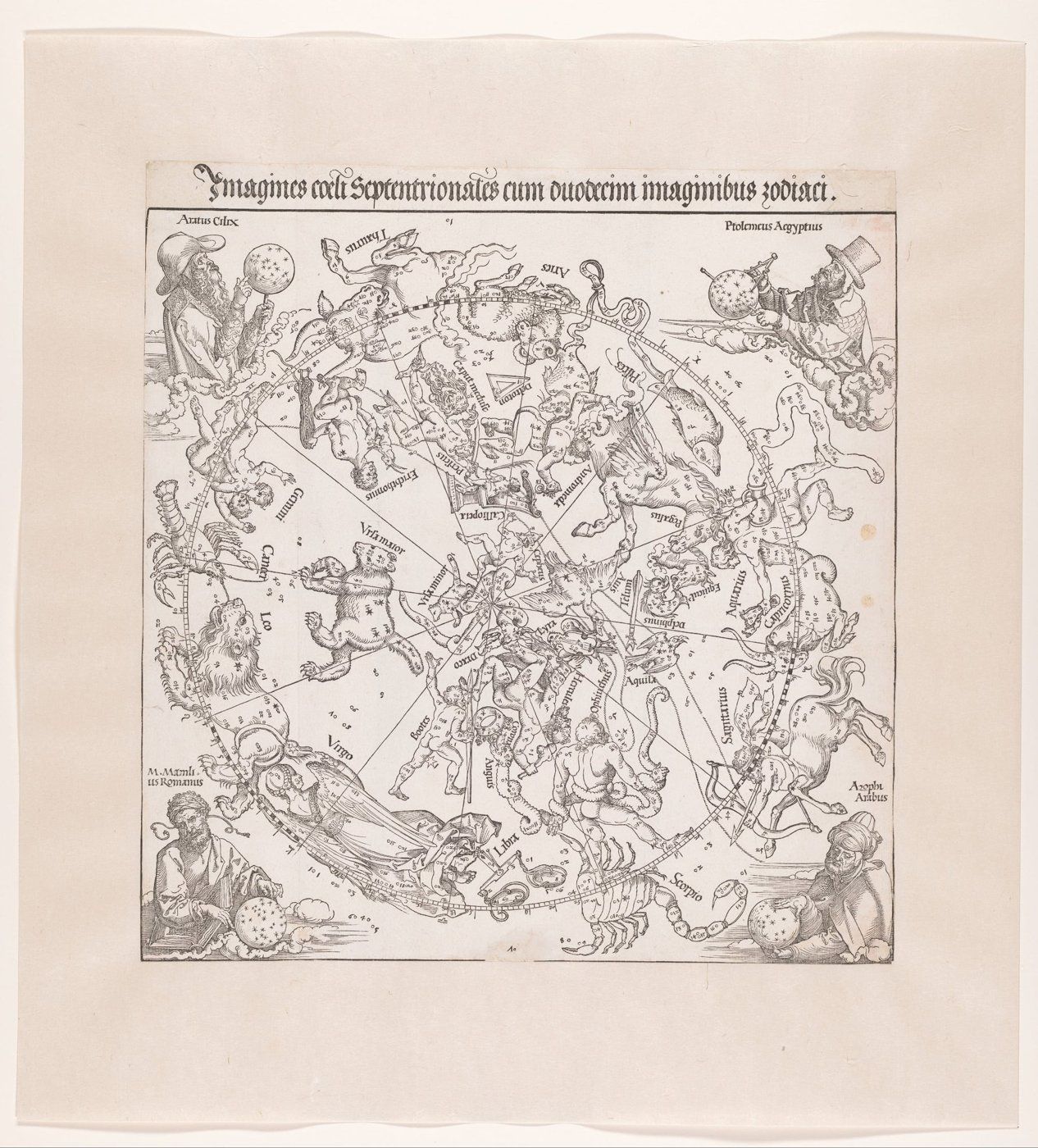
For his talismans Ficino uses the "faces of the signs", the decans. According to him they were "observed, or at least devised, by the Indians, Egyptians and Chaldeans". His example: in the first decan of Virgo sits a beautiful maiden holding two ears of grain, nursing a child. He refers here to Albumasar (Abū Maʿshar), who in his Great Introduction included the Indian decan images alongside the Greek and Persian ones, and these go back to the drekkāṇa descriptions of the Yavanajātaka and Varāhamihira. Ficino's talismans thus carry, by way of Baghdad, Indian traces. The related practice in India is the yantra.
Scents, colours, herbs and love
For the Sun, Ficino lists gold and golden colours, myrrh, frankincense, saffron, cinnamon, aloeswood and "other aromatics", to be used in food, ointments and incense. Then follows the sentence that turns all of this into devotion: "These things should often be felt and contemplated, and above all: loved" (in primis amanda). The remedy only works through the love with which you use it. In India this is called bhakti. There, the remedy (upāya) is never merely a recipe: it is also an offering.
When I read these pages, I recognise my own life in them. In the female line of my family we wear pearls, the stone of the Moon. My grandmother received them from her own female line and passed them on to my mother, and through her they came to me. Now I pass them on to my daughters. During my studies I used rosemary and cypress to strengthen my concentration. When I have the flu, I use scents to open the airways and we anoint the Keris with Musk oil to strengthen the bond. I wear stones on a particular day, with a particular purpose: a blue sapphire on Saturday, to strengthen the structure of the day, just like a copper bracelet for health. The blue sapphire is as Jyotiṣa teaches and not as Ficino does. I did all of this before I knew that Ficino wrote it down in Florence five hundred years ago, and that in India it never disappeared.
It is a gesture of attention. In primis amanda: above all, love.
One river, two branches
What touches me most: Ficino and Jyotiṣa drink from the same source.
Ficino's astrology goes back to the Hellenistic synthesis of Alexandria, to Plotinus and the Hermetica. It also goes back to Arabic intermediaries. One of his most important sources was the Picatrix, the Latin translation of the Arabic Ghāyat al-Ḥakīm, with its prayers to the planets. Another was al-Kindī's doctrine of rays.
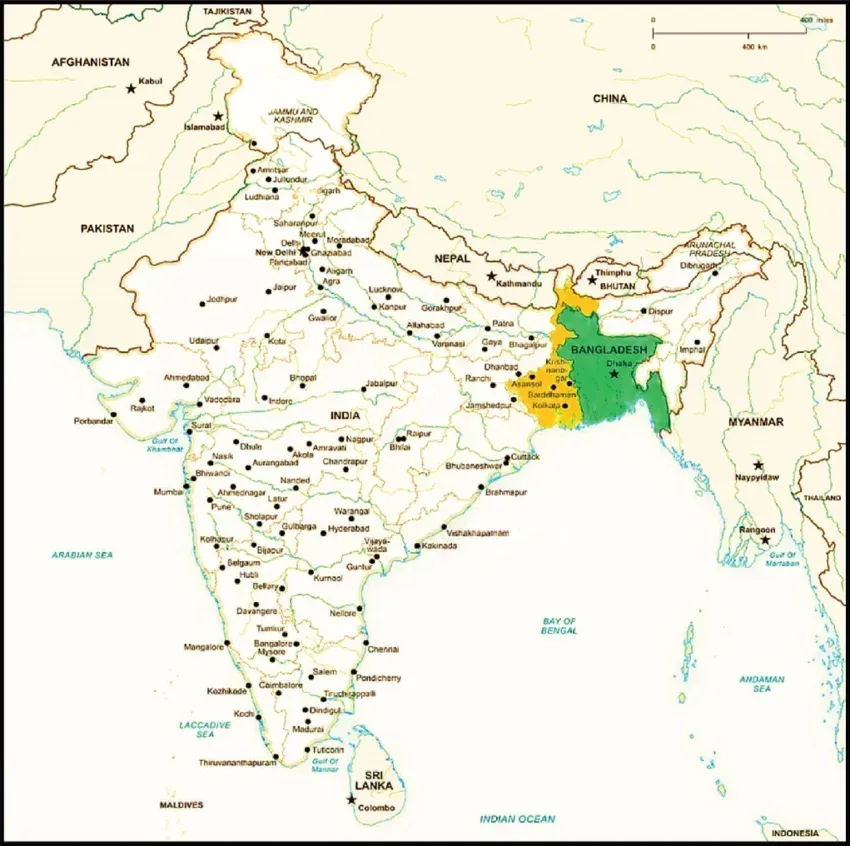
That same Greek river also flowed east. And there, too, it later came in a second time, by way of Arabic. From the west came the horoscope to India. From the west, a thousand years later, came the Tājika too.
The Vedic ground
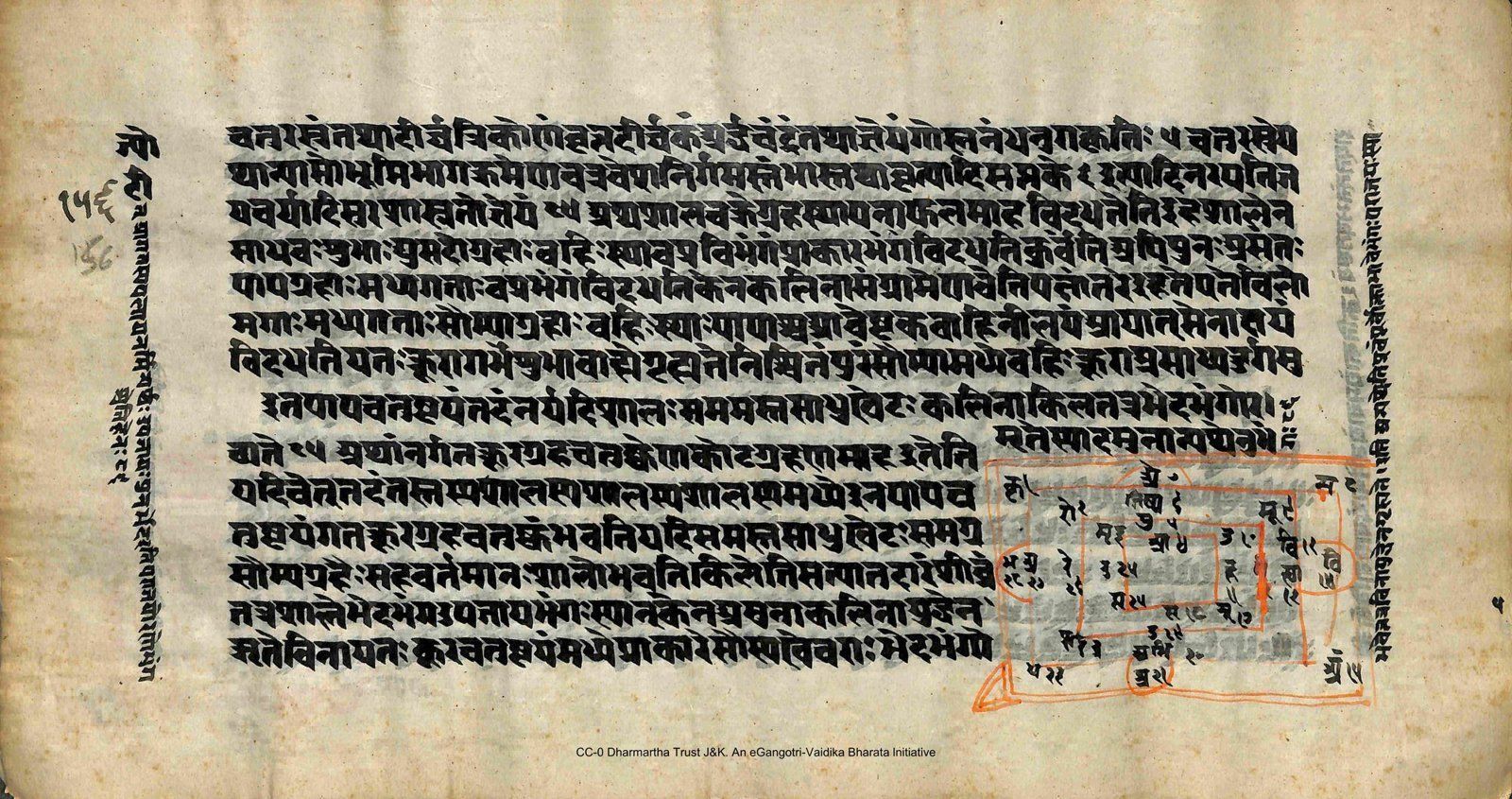
First this: Jyotiṣa was not imported. Long before there were Greeks in India, the Vedic ṛṣis watched the Moon move through the 27 (sometimes 28) nakṣatras. They timed the offerings to the right tithi, and the Vedāṅga Jyotiṣa calculated when the year turned. This is the native layer: an astrology of time, ritual and the right moment. No horoscope, but devotion.
The first wave: the Yavanas
Yavana comes from Iōnes, the Ionians, the Greeks of the coast of Asia Minor. After Alexander the Great, Greek-speaking communities lived for centuries in north-western and western India. There, in the trading cities of what is now Gujarat, Malwa and Rajasthan, Hellenistic horoscopy was translated into Sanskrit.
The most important witness is the Yavanajātaka, "the nativity according to the Greeks", by Sphujidhvaja. For a long time the dating of the American Indologist David Pingree held: a Greek text, translated in 149/150 CE by "Yavaneśvara", the "lord of the Greeks", and versified in 269/270. In 2013 the scholar Bill Mak showed that these dates were Pingree's own emendations. Yavaneśvara and Sphujidhvaja are probably one person, and the text is younger than once thought. It also contains many Indian, even Vedic, elements. It is not a translation but a fusion.
In the sixth century, in Ujjain, Varāhamihira wrote the classics that still form the foundation: the Bṛhajjātaka and the Bṛhat Saṃhitā. He did not hide his sources. The Greeks, he wrote, may be mleccha, outsiders, but because this science is well preserved among them, they must be honoured like ṛṣis.
Words that travelled along
You can still hear the Greeks in Jyotiṣa, if you listen closely.
- horā (ὥρα, hour): the word for the ascendant and for horoscopy itself
- kendra (κέντρον, centre, goad): the angular houses 1, 4, 7 and 10
- paṇaphara (ἐπαναφορά) and āpoklima (ἀπόκλιμα): the succedent and cadent houses
- trikoṇa: Sanskrit for triangle, a translation of the Greek trigōnon
- jāmitra (διάμετρον): the seventh house, the opposite place
- drekkāṇa (δεκανός): the decan
- sunaphā (συναφή): a lunar yoga, literally "touching"
- the old planet names: heli (Helios), āra (Ares), koṇa (Kronos), āsphujit (Aphrodite), hemna (Hermes)
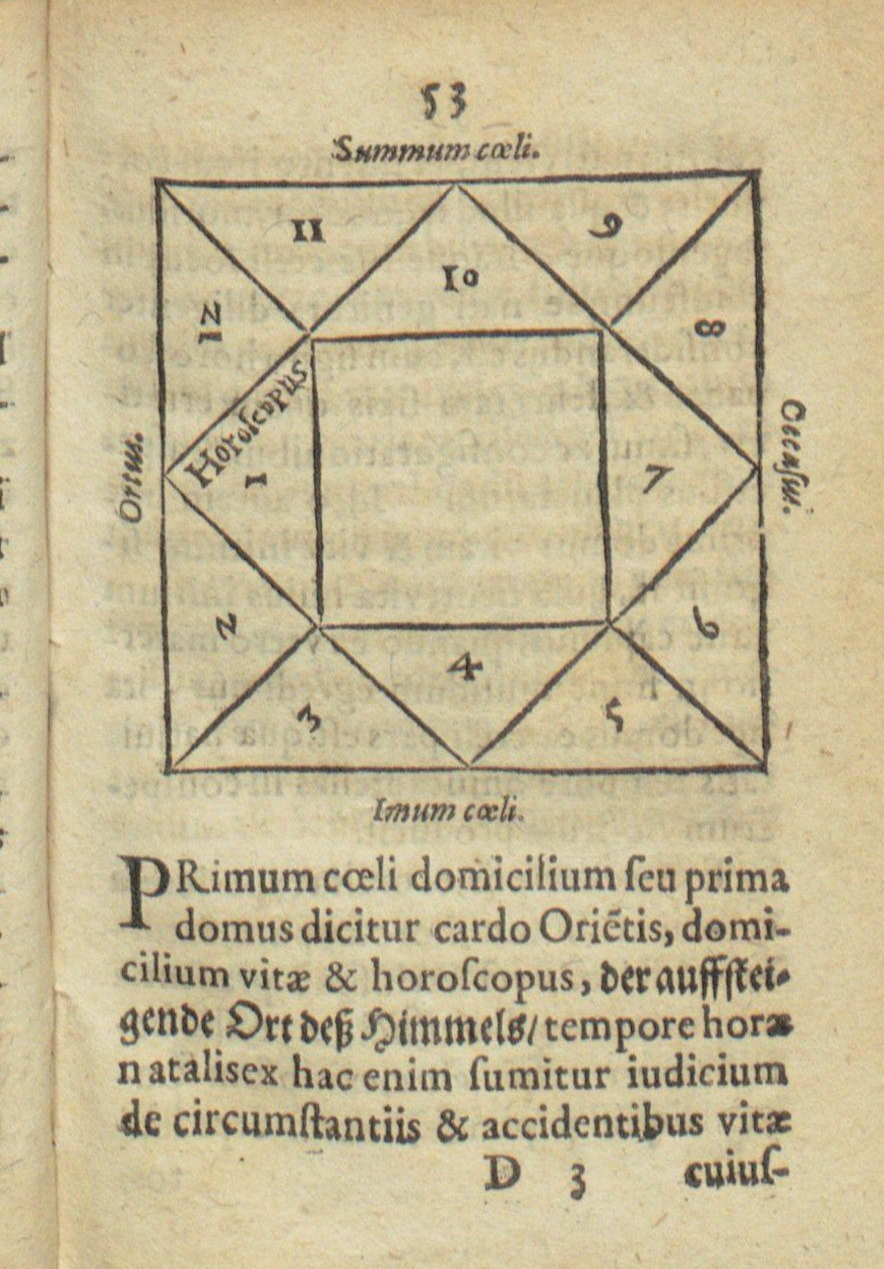
Kendra is literally Greek. With trikoṇa it is subtler: the word is Sanskrit, the idea is Greek. And what India did with it was its own. The Greeks knew the trine as a kinship between signs. In Jyotiṣa the 5th and 9th places became the most auspicious of the chart, the places of pūrva puṇya and dharma. From the union of kendra and trikoṇa the rāja-yogas arose.
The detour through Baghdad
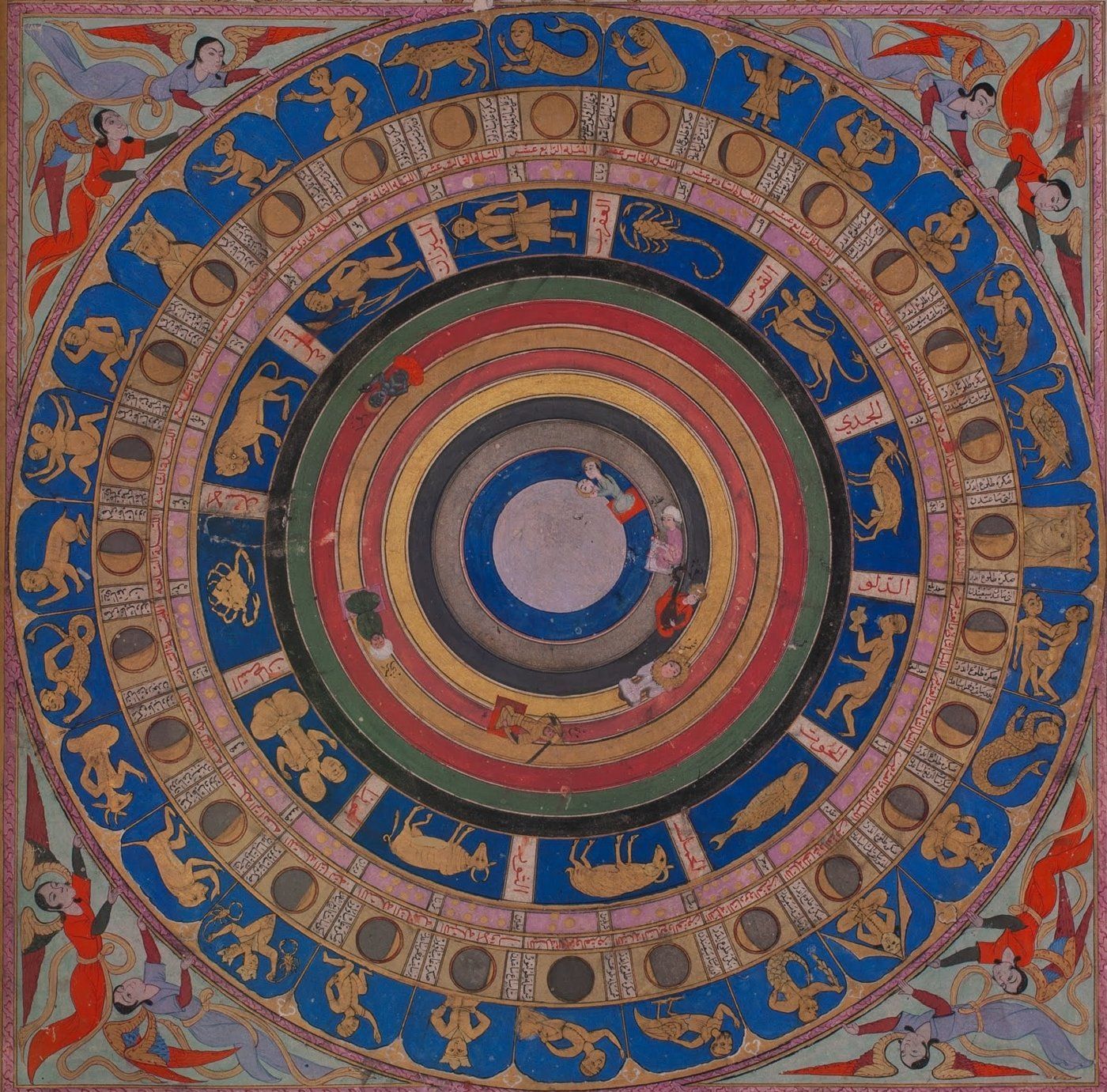
Knowledge did not only travel east. Around 770 an Indian astronomer arrived with an embassy from Sindh at the court of Caliph al-Manṣūr in Baghdad. The caliph had a Sanskrit astronomical handbook from the school of Brahmagupta translated into Arabic. It became the Zīj al-Sindhind. Through texts like this, Indian numerals and calculation with zero also reached the Arab world, and later Europe.
In Baghdad, Indian, Persian and Greek astrology met. There grew the Arabic astrology that later returned to India, and travelled on to Florence as well.
The second wave: the Tājika
Tājika means "Persian", although it originally came from a Persian word for "Arab". Sometime in the 13th century, Samarasiṃha rendered Arabic astrology into Sanskrit. His main source, as the Swedish Indologist Martin Gansten has shown, was Sahl ibn Bishr, a 9th-century Jewish astrologer in Persia.
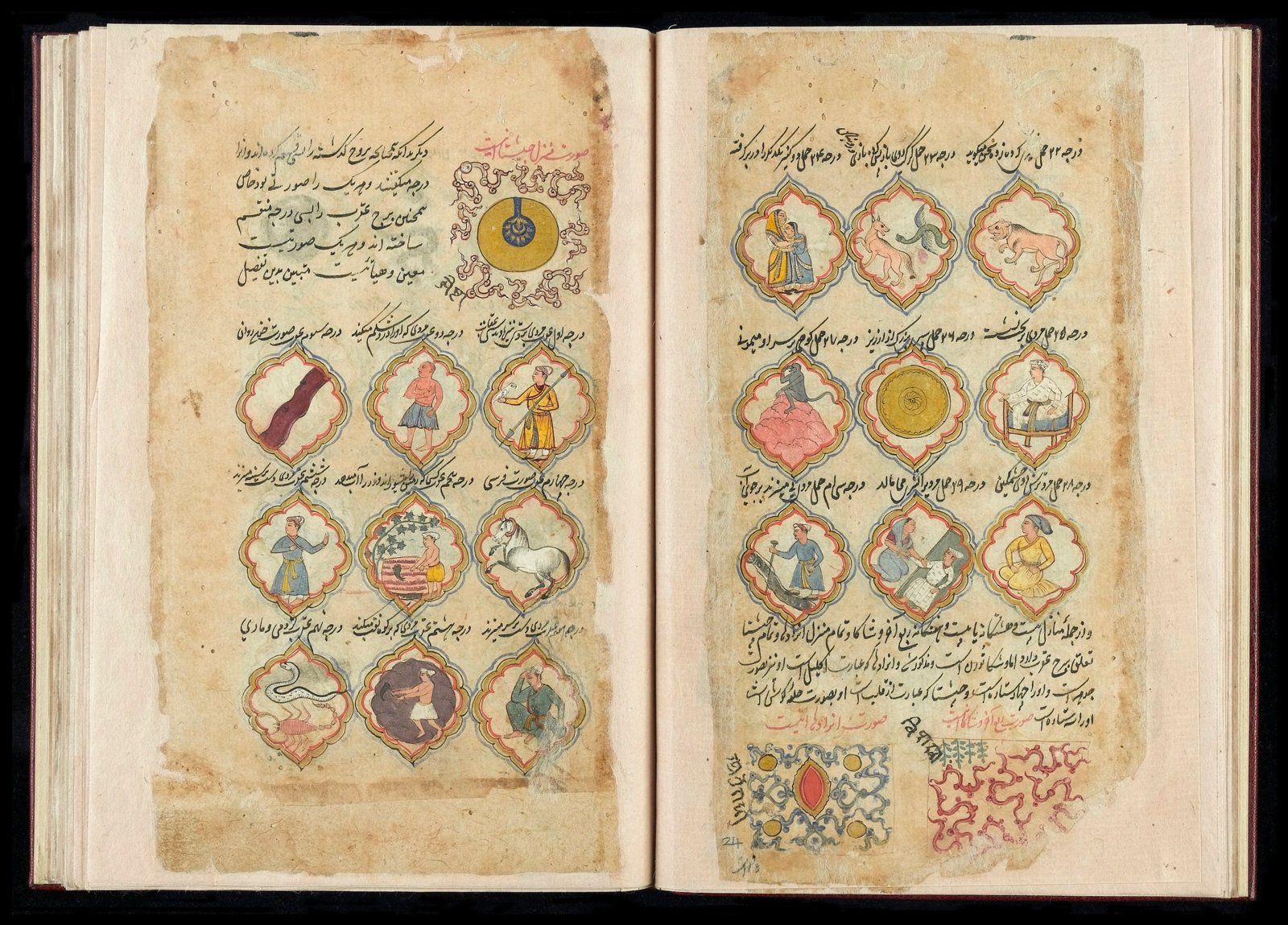
The best-known work became the Tājikanīlakaṇṭhī of Nīlakaṇṭha, completed in 1587, in the time of Emperor Akbar. At some courts a Vedic and a Tājika astrologer worked side by side.
Tājika revolves around the year: the varṣaphala, the chart cast for the moment the Sun returns to her birth position. The sixteen Tājika yogas still carry Arabic names in Sanskrit dress:
- itthaśāla, from ittiṣāl: application, an aspect becoming exact
- īsarāpha, from inṣirāf: separation
- nakta, from naql: translation of light
- yamayā, from jamʿ: collection of light
- kambūla, from qabūl: reception
- radda, from radd: return
Then there are the sahams, from the Arabic sahm. This too is a translation, of the Greek klēros, the Lot. The punya saham is the Lot of Fortune. A Greek technique thus came to India a second time, now by way of Arabic. And it stayed even closer to its Greek origin than the older Yavana layer.
Different perspectives on the same sky
Like most people, I first encountered astrology through the tropical zodiac. In my practice I therefore work mainly with the tropical zodiac and the Placidus house system. They are the most accessible and recognisable for most people. It is what I have the most experience with, and my training was built entirely upon it.
Still, over the years I have come to feel more and more for the sidereal zodiac. I have truly come to love it.
What I experience myself is a natural sense of meaning in the study of astrology in general. When I lose my way in my own life, a short look at the astrological translation is enough to give me direction and footing again. That holds for all the different systems, by the way.
I have also found that the disciplines can live well side by side. For clients, the tropical zodiac is often the most efficient in my practice, for the reason I mentioned above. At the same time I feel a kinship with David Frawley. In Astrology of the Seers (p. 28) he argues that the sidereal zodiac is probably the original one, because it corresponds most closely to astronomical reality. I myself experience the sidereal zodiac as a more etheric, spiritual view. The tropical zodiac, by contrast, connects us with the turning of the seasons: the rhythm of the earth around the sun.
Different perspectives on the same sky.
Closing
I hope this blog is the first of many in which I share my love for astrological systems.
From a young age I sought my own way, off the beaten path. Through my deep fascination with the hidden and the shadow sides of life, I have built an experiential, lived expertise, and it keeps developing. Like many free-thinking researchers, I walk my own path. It is wonderful to see my intuitions confirmed.
My family line has roots in ancient Persia and West Bengal. That is why Jyotiṣa is also a personal instrument for me. And how special to discover that tājika means "Persian": the second wave to reach Jyotiṣa travelled along the roads of my own ancestors. Still, I find it deeply fulfilling to see devotional practice, the veneration of the celestial dance and its symbolism, reflected in the European tradition as well.
And you? What small gestures of attunement do you already make - a stone on a set day, a scent, a song - without ever having called them devotion?
Thanks for reading
xx Melanie Webb 111726
Sources
Ficino, De vita libri tres (1489), Source Library
dag en uur van Jupiter / solaire aromaten, p. 172: https://sourcelibrary.org/q/BhNkmskNpYW9SLrUrq0
edelstenen en metalen, p. 262: https://sourcelibrary.org/q/BhNkmskNpYW9SLrUrrS
gezang per planeet, p. 302: https://sourcelibrary.org/q/BhNkmskNpYW9SLrUrs6
de Indiërs en de kracht van woorden, p. 300: https://sourcelibrary.org/q/BhNkmskNpYW9SLrUrs4
niets zonder de Maan, p. 190: https://sourcelibrary.org/q/BhNkmskNpYW9SLrUrqI
Jupiter of Venus in ascendant of tiende huis, p. 197: https://sourcelibrary.org/q/BhNkmskNpYW9SLrUrqP
de decanen, p. 269: https://sourcelibrary.org/q/BhNkmskNpYW9SLrUrrZ
Bill M. Mak, The Date and Nature of Sphujidhvaja's Yavanajātaka Reconsidered (2013): https://doi.org/10.18732/H2RP4T
Martin Gansten & Ola Wikander, Sahl and the Tājika Yogas (2011): https://lup.lub.lu.se/record/1758917
Martin Gansten, Origins of the Tājika System of Astrological Aspects and Dignities (2018): https://doi.org/10.18732/hssa.v6i0.34
David Frawley, Astrology of the Seers, p. 28