Contemplations on Spirit
'In this blog I contemplate the means to understand one self and the motivation that moves us to unfold in heart and soul.'
Neptune Retrograde through Aries: dreams Revised
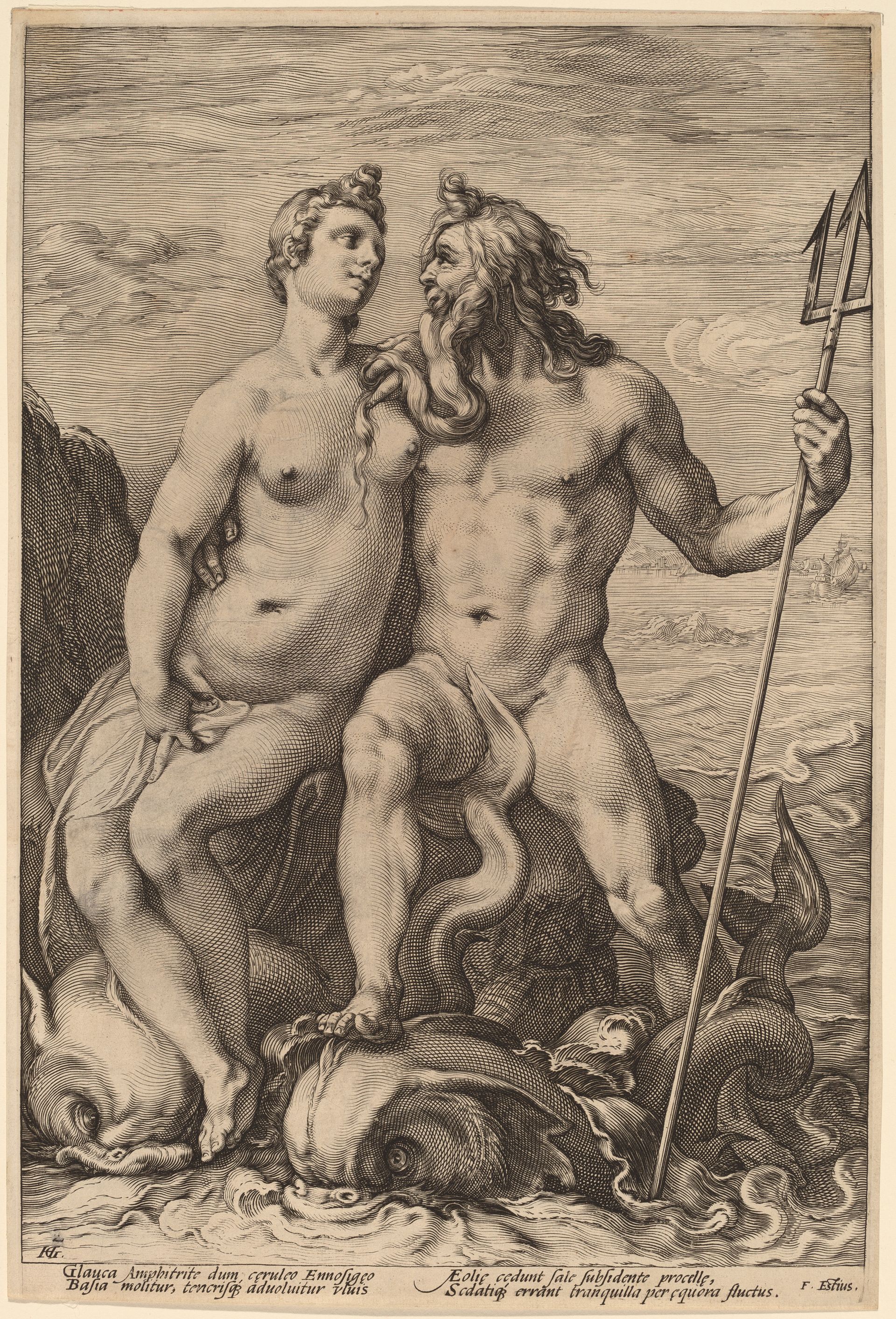
There's a particular kind of static I've come to recognize in myself these past weeks - a half-formed thought I reach for and then can't quite hold, a plan that felt solid on Monday and strangely uncertain by Thursday. I didn't think much of it until I checked the sky and realized: of course. Neptune is turning retrograde.
On July 8, Neptune turns retrograde in Aries until December 15th this year - a collective shift that touches all of us, whether we consciously notice it or not. Neptune is the planet of what we believe in, what we dream of, and how we experience our sense of oneness and connection with everything around us. Its nature is boundless. But this time, that boundlessness is colored by a sign that almost stands in opposition to it: the cardinal fire sign Aries.
The paradox: I versus All
Aries is the sign of the emerging I - assertive, direct, driven by the urge to initiate and step outward into the world. Neptune is its counterpart: the dissolving of boundaries, the All in which the individual I loses itself. When Neptune moves through Aries, a field of tension arises between these two forces: the need to bring what we dream of out into the world with passion and fervor, while simultaneously giving the spiritual connection an assertive, recognizable shape.
That is no small task. It confronts us with questions that run deeper than we might expect: is this still aligned with who I am? Do I still truly believe in what I stand for, what I fight for? Aries asks for a sense of I that is sharp and genuine - Neptune simultaneously asks for surrender to something greater than that I. Where these two meet, it becomes visible where our personal ideals and our deeper beliefs are not yet fully in sync.
What retrograde means - and why it carries extra weight now
A retrograde planet is, astronomically speaking, relatively closer to the earth. That proximity translates into strength: its influence becomes more intense, closer, harder to ignore. With Neptune - one of the slowest-moving planets - this brings considerable weight to the scale.
During this period, the likelihood of confusion increases. There is a greater need for stillness and meditation. Dreams can be experienced more intensely than when Neptune moves direct - but the way we want to bring them out into the world shifts. The urge to express them outwardly, to step visibly forward with them, turns inward instead. Only the inner experience holds power now. This, then, is not a time to initiate outwardly, but to reflect on what truly resonates - more so than when Neptune follows its ordinary, direct course.
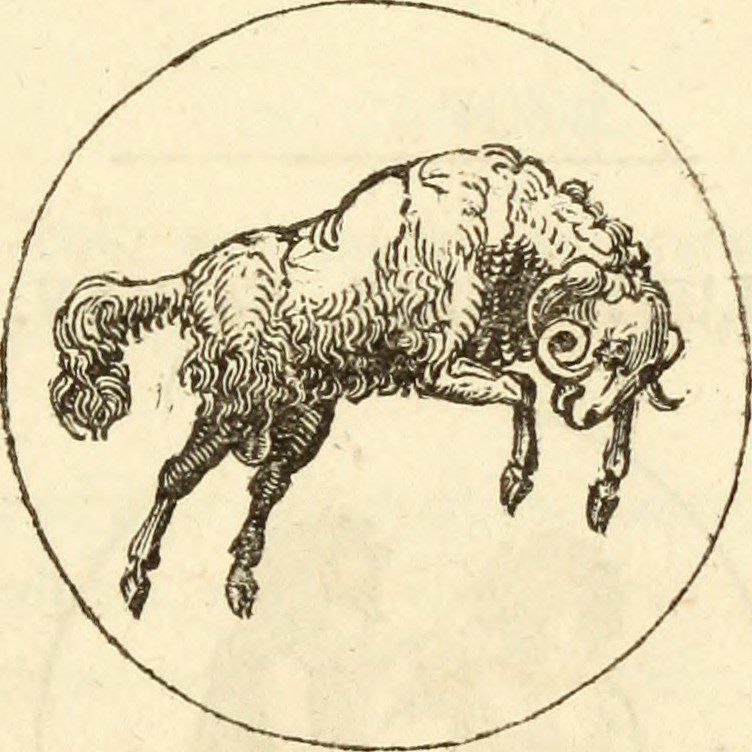
Historical Echoes of Neptune in Aries
Because Neptune is such a slow-moving planet, these are not transits we experience often. To truly understand what this movement may signify collectively, it helps to look back at the previous time Neptune traveled through Aries: roughly between 1861 and 1875.
Historically, we see a remarkable repetition of themes that are beginning to emerge again today: identity struggles, ideological polarization, spiritual idealism, and the urge to actively embody belief or vision in the world.
The American Civil War is perhaps one of the clearest examples. This conflict was not solely about politics or economics, but about deeper questions surrounding freedom, humanity, and identity. Typical of Neptune in Aries, we see how a collective ideal - or projection - can become militant and activist in nature. The individual is driven not only to believe in something, but to fight for it.
At the same time, various spiritual and utopian movements emerged during this period. New religious currents, spiritualist groups, and reform movements gained momentum. There was a growing desire not merely to experience ideals inwardly, but to manifest them within society itself. This too reflects the dynamic of Neptune in Aries: visionary inspiration seeking outward expression.
Simultaneously, the world experienced enormous technological acceleration. New transportation systems, industrialization, and communication networks fundamentally changed humanity's perception of itself. Collective consciousness began, quite literally, to move faster. Here again we recognize Neptune in Aries: dreams attempting to take pioneering form.
When Neptune turns retrograde, however, this movement shifts inward. Historically, such periods are often accompanied by ideological doubt, disillusionment, or a reevaluation of what people truly stand for. The external battle becomes secondary to the inner question: "Do I still genuinely believe in this?"
That is what makes the current retrograde especially significant. It is not only about collective events, but about a profound inner examination of authenticity. Which dreams truly belong to us? Which convictions arise from genuine inspiration - and which stem merely from projection, group mentality, or borrowed enthusiasm?
Perhaps this is the deeper meaning of this transit: not immediate action, but discernment. Not rushing to manifest, but first learning to clearly recognize what is truly inspired before giving it form in the outer world.

The previous Neptune in Aries period
An especially fascinating historical pattern emerges when we look at the previous time Neptune began a new cycle through the zodiac by entering Aries. Astrologically, Neptune in Aries marks the beginning of an entirely new collective spiritual and ideological cycle - one that often plants seeds which continue unfolding long after Neptune itself has moved into the next sign.
The previous Neptune in Aries period, roughly between 1861 and 1875, appears to have initiated precisely such a wave. During these years, we witness the emergence of powerful new ideological, spiritual, and cultural movements centered around identity, belief, reform, and the search for meaning in a rapidly changing world. Yet what is perhaps most striking is that many of these movements did not fully crystallize until Neptune had already entered Taurus. In other words: Neptune in Aries ignited the vision, while Neptune in Taurus gave that vision structure, continuity, and institutional form.
the Theosophical Society in 1875
One of the clearest examples is the founding of the Theosophical Society in 1875, exactly at the end of Neptune's transit through Aries. Founded by Helena Petrovna Blavatsky and Henry Steel Olcott, the movement attempted to synthesize Eastern and Western spirituality, esoteric philosophy, science, and religion into a unified spiritual worldview. Theosophy embodied many quintessential Neptune in Aries themes: spiritual universalism, visionary idealism, the pursuit of hidden knowledge, and the desire to actively reshape collective consciousness through new belief systems.
the Fabian Society was founded
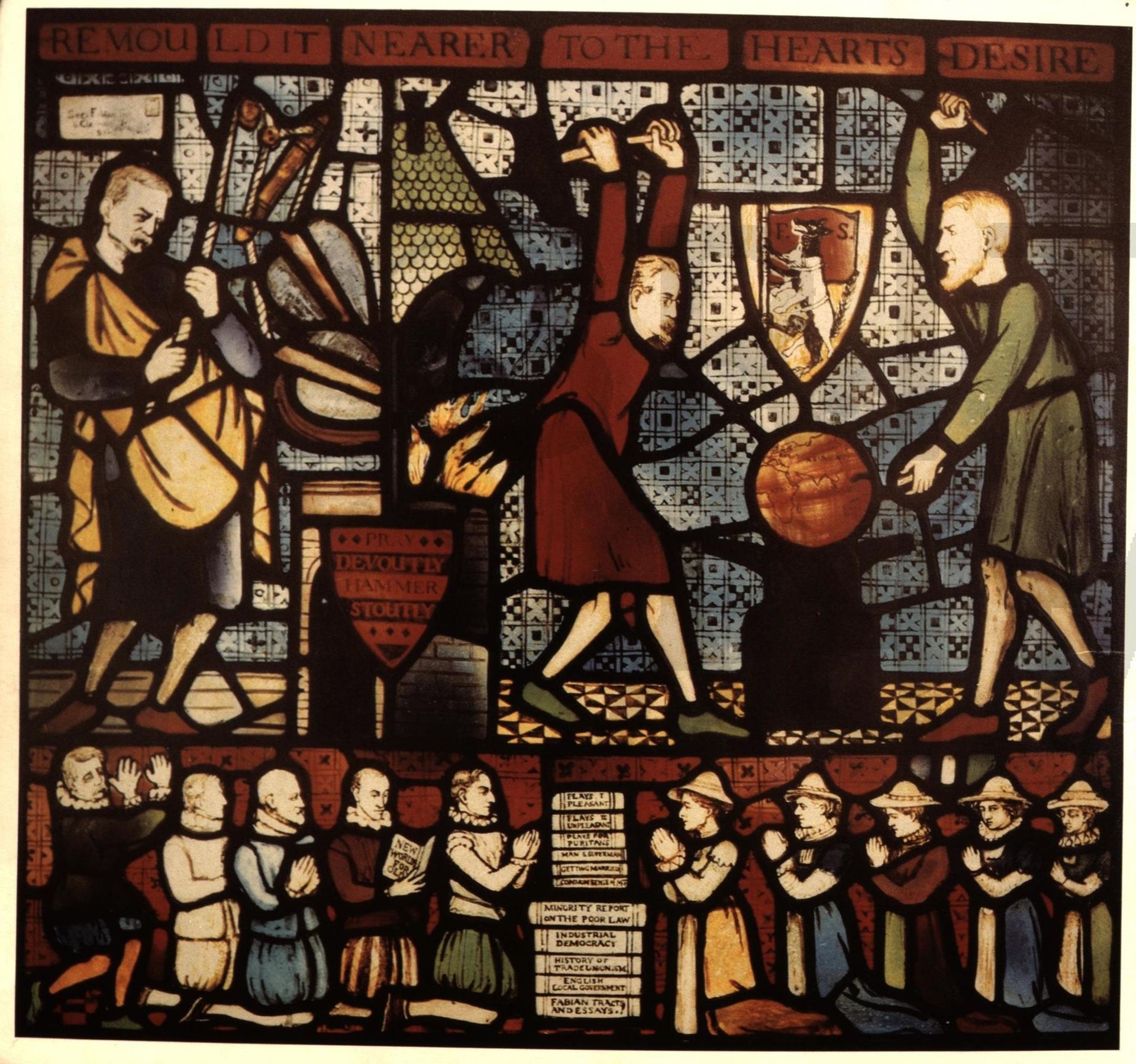
As Neptune moved into Taurus, these visionary impulses began stabilizing into more organized structures. In 1884, the Fabian Society was founded in London. Although political rather than occult in nature, the Fabian Society reflected the same deeper Neptunian current. Its members believed society could be gradually transformed through ideas, education, cultural influence, and ideological reform rather than direct revolution. Much like Neptune itself, their strategy operated subtly - dissolving and reshaping collective structures over time through vision and persuasion rather than force.
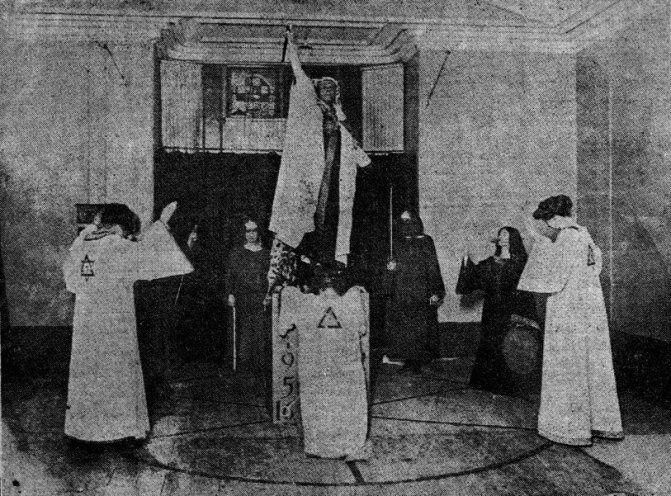
the Hermetic Order of the Golden Dawn
Only a few years later, in 1887-1888, the Hermetic Order of the Golden Dawn emerged. By this stage, the earlier spiritual and philosophical undercurrents had become increasingly systematized. The Golden Dawn organized ritual magic, hermeticism, astrology, alchemy, Kabbalah, and mystical symbolism into a formal initiatory tradition. What had begun during Neptune in Aries as spiritual experimentation and visionary searching now evolved into structured esoteric institutions under Neptune in Taurus.
Taken together, these movements reveal something important about Neptune's larger cycles. When Neptune enters Aries - the first sign of the zodiac - it often initiates an entirely new collective dream, one centered around identity, belief, and the future direction of consciousness itself. Yet the full manifestation of that dream may take decades to unfold, continuing far into the following sign.
The late nineteenth century demonstrates this beautifully. Neptune in Aries ignited ideological passion, spiritual experimentation, and new collective visions. Neptune in Taurus then grounded those visions into organizations, institutions, philosophies, and systems that would continue influencing culture well into the twentieth century.
Perhaps this offers an important perspective on our current moment as Neptune once again begins a new zodiacal cycle through Aries. We may only be witnessing the earliest sparks of movements, ideologies, and spiritual transformations whose deeper consequences will not fully materialize until many years from now.
The static hasn't lifted. Perhaps it isn't meant to - not yet.
Thanks for reading!